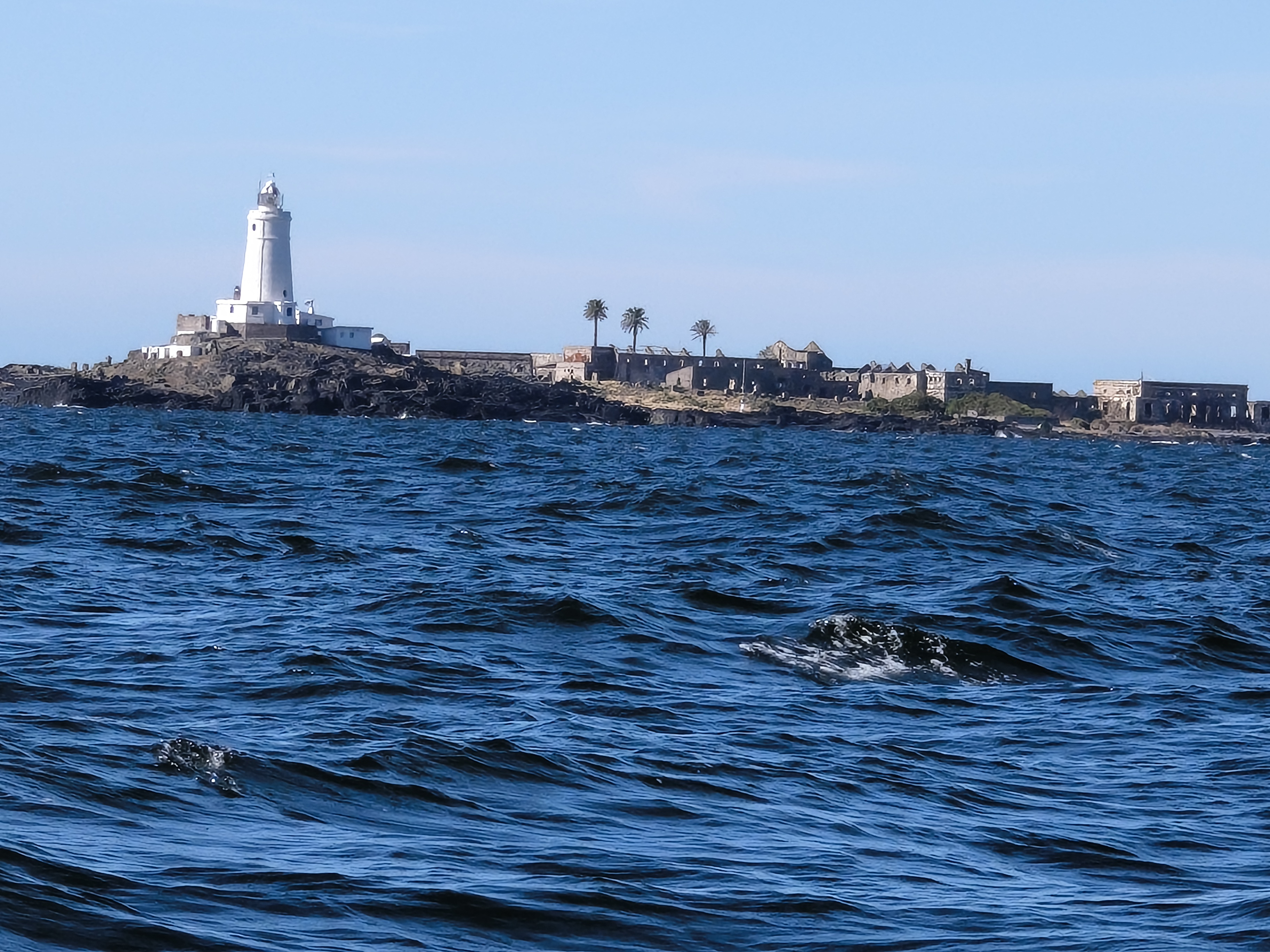
 Flores Island Lighthouse, Montevideo, Uruguay.
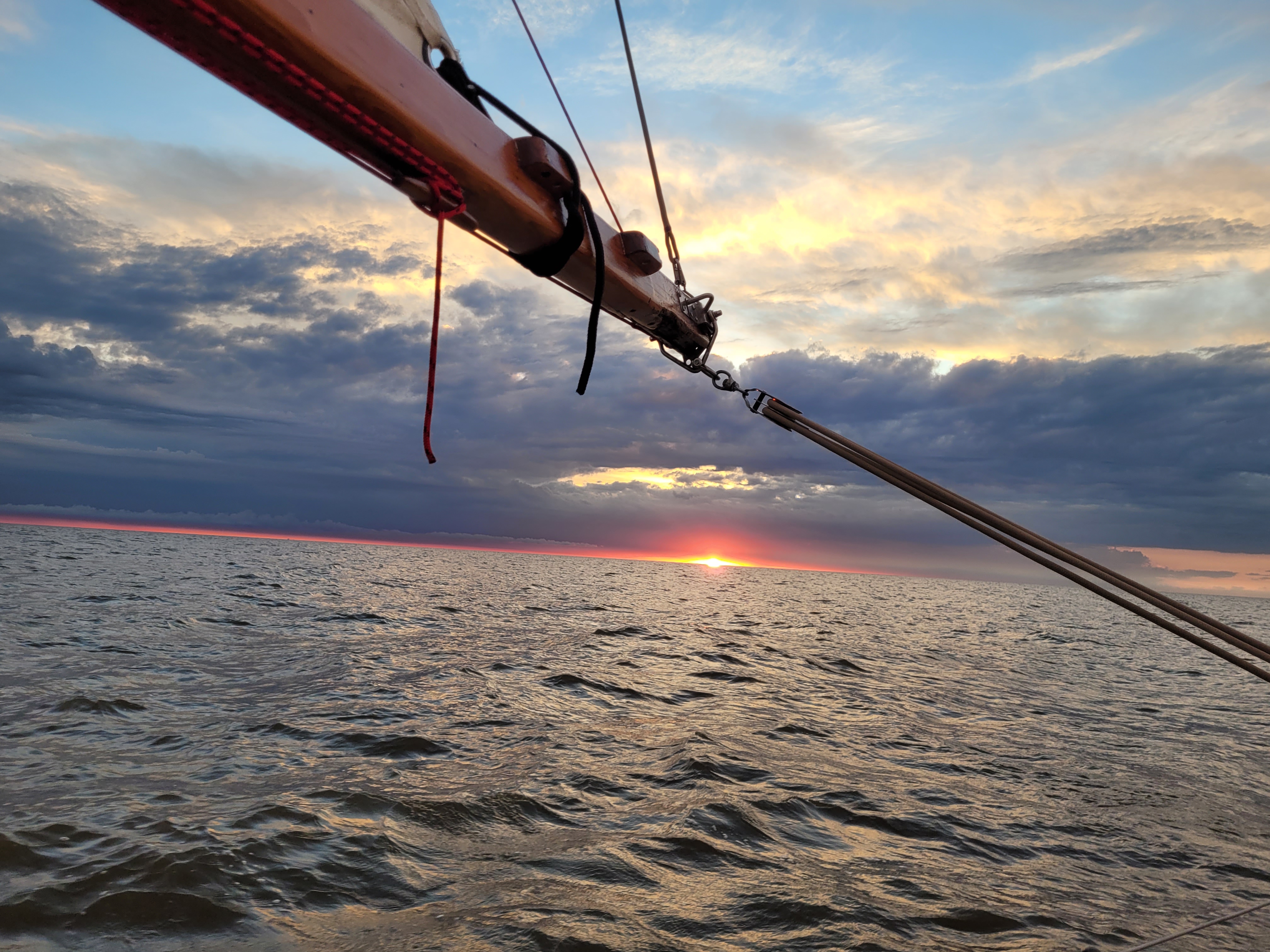 An Omen of Storms.
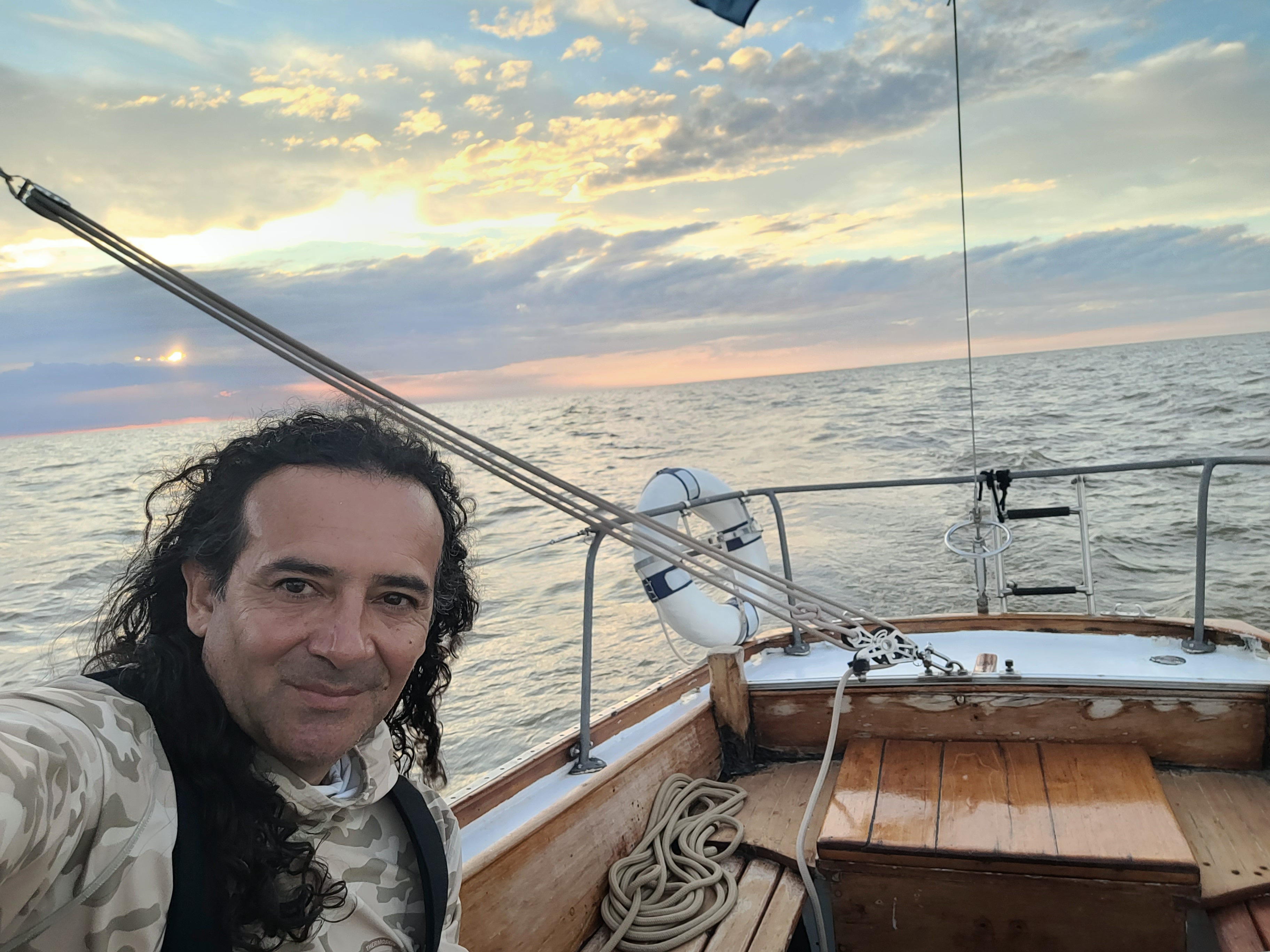 After the Calm.
For a long time, I have been trying to understand why I continue to paint. I am not referring to the physical need to do it, because that has always been there, but to that more difficult question that emerges when one looks at the world and wonders what it means to keep creating images in an era marked by wars, inequalities, abuses of power, and a speed that seems determined to consume everything.
I have never been able to get used to injustice. Some people seem capable of accepting it as part of the natural landscape, as if it has always existed and therefore no longer deserves outrage. I never could. I am still affected by the way some human beings build their well-being upon the suffering of others, by how the most vulnerable are often forced to bear the consequences of decisions they never made, and by how indifference so often becomes more powerful than violence itself.
Perhaps that is why many of the questions that run through my work are not really about painting alone. They are about memory, about territories, about what disappears, about the visible and invisible borders that separate us from one another, about the marks left by time, and about the fragility of everything we assume will last forever.
Sometimes I think my work speaks of nothing other than vulnerability. The vulnerability of bodies, of ecosystems, of collective memories, of people left exposed when systems fail to protect them. Perhaps that is why I have always felt closer to the figure of the navigator than to that of the artist isolated in a studio. A navigator knows that sooner or later the storm arrives, and also knows that in the face of certain forces, distinctions of power, wealth, and prestige become meaningless. The sea has a way of reminding us of something we are constantly trying to forget: we are profoundly fragile.
Over the years I have come to understand that this sensitivity, which often feels like a burden, is also a responsibility. Once you have seen certain things, you cannot pretend you have not seen them. Once you have listened to certain stories, you cannot return unchanged. And perhaps art has something to do with that: finding a way to remain awake in a time that constantly invites us to look away.
I do not believe that a work of art can change the world on its own. I have never been that naive. But neither do I believe that art exists merely to decorate spaces or circulate as a commodity. I am interested in the possibility that an artwork can function in another way — as a signal in the fog, as a presence that remains when everything else seems to be pushing toward forgetting.
Lately, an image has returned to me again and again: the lighthouse. Not as a monument, nor as a heroic symbol, but as a light that remains on throughout the night. A lighthouse does not stop storms, alter currents, or guarantee that every vessel will reach its destination. Its role is far more humble and, perhaps because of that, far more profound. It remains. It endures. It marks a presence in the darkness.
Perhaps that is what I am searching for when I paint. Not answers or certainties, but a way to keep certain essential questions alive. Questions about memory, justice, our relationship with one another, and about what we choose to protect and what we allow to disappear.
If there is any meaning in all of this, perhaps it lies there: in holding a small light against the darkness of indifference, in continuing to believe that sensitivity is not a weakness but a form of resistance, and in remembering that there are still things worth defending.
Even while the storm remains.